Five surprises I found as a beginner trader
For the last twelve months I’ve been trying to learn the principles and practices of technical analysis and swing trading. My progression has been lots of reading and Youtube, to paper trading and I’m currently swing trading with tiny positions. Over time, I noticed patterns not just on charts but in the market itself, and in how people interact with it. From the curious to the shocking, these are some of the things that really surprised me along the way.
Leveraged ETFs
Even people who spend lifetimes gaining trading proficiency narrowly specialise on trading specific instruments in specific contexts. While I knew the variety of trading instruments is immense I was surprised to discover that some ETFs (relatively straightforward trading vehicles) had been repurposed to deliver leveraged returns.
My understanding of ETFs was that they wrapped a basket of stocks in a wrapper that made it convenient to trade and invest in them. It was not expecting them to be used to package stocks, sometimes a single company’s stock, in a way that amplifies that stock’s moves.
Fund managers have creatively repurposed ETFs to use leverage and options for the resulting ETF to generate outsize returns (or losses!).
| Ticker | Leverage | Example |
|---|---|---|
| TSLL | 2× Tesla long | Underlying +10% → TSLL ≈ +20% Underlying –10% → TSLL ≈ –20% |
| NVDL | 2× Nvidia long | Underlying +10% → NVDL ≈ +20% Underlying –10% → NVDL ≈ –20% |
| TQQQ | 3× Nasdaq-100 long | Underlying +10% → TQQQ ≈ +30% Underlying –10% → TQQQ ≈ –30% |
A leveraged ETF like TQQQ or NVDL gives a multiplied bet; however the daily leverage resets each day, so holding longer than intended can create outcomes you’d never expect from a normal ETF. What surprised me was the creative repurposing of was fairly vanilla trading instrument.
Growth in Retail Trading
At the outset I was introduced to the concept ‘smart money vs dumb money’. The understanding being institutional investors and market makers have data and other edges (smart money) that allow them to foresee and catalyse market movements; whereas the rest of us (retail traders = dumb money) react, have poor timing and chase trends.
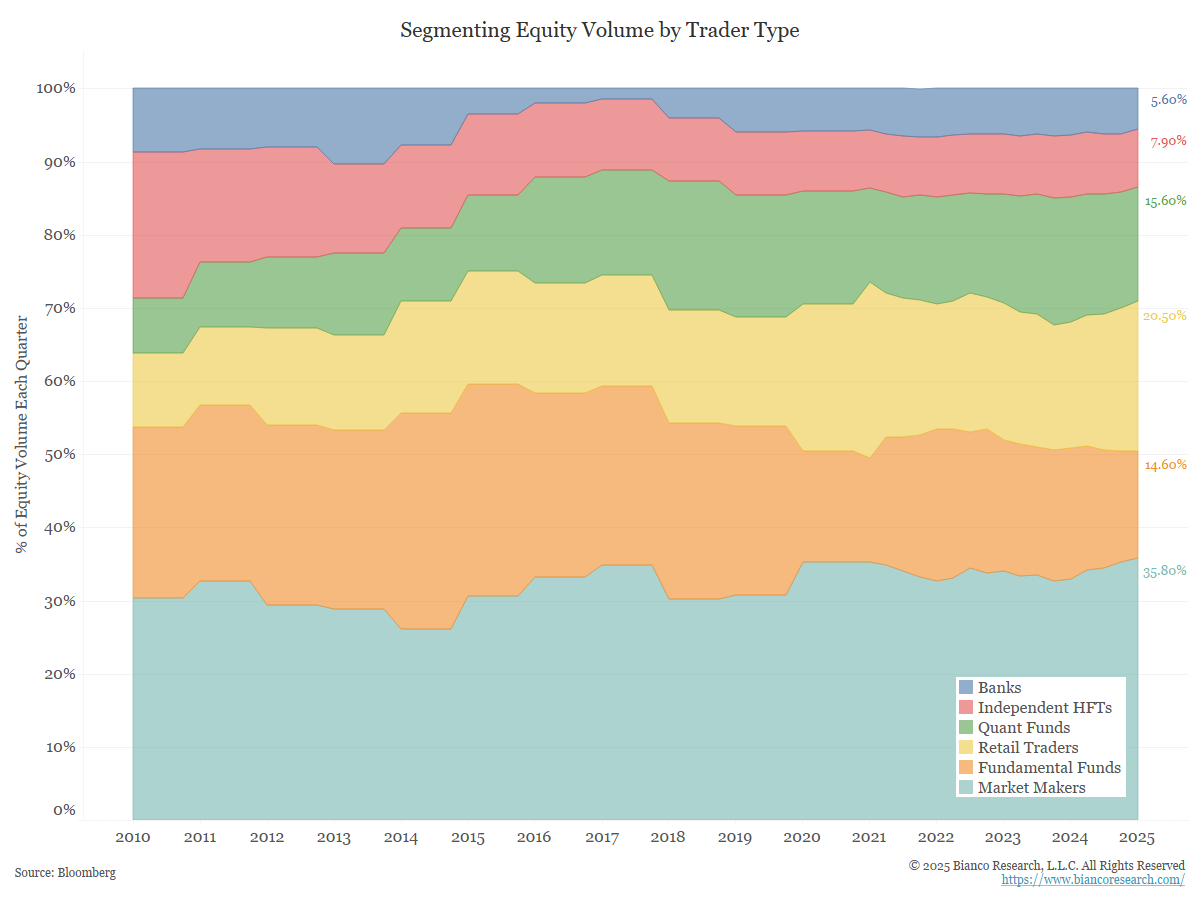
Recently, however, retail traders have been changing market dynamics. The earliest Josh Brown raised this hypothesis was The Dumb Money (27 Sep 2023) episode of The Compound and Friends podcast. He noted, “Dumb money is not always dumb. When enough of it moves together, it moves markets” (podcasts.thecompoundnews.com). He and Michael Batnick have explored this many times since on their pod.
At the commencement of my learning there was no doubt in my mind that institutions and professionals had a huge edge over us retail plebs. It was interesting to hear that the long-held understanding of ‘smart money’ was being questioned right as I (and millions of others participating in the ‘democratisation of others’) entered the market.
Making a Small Profit Is Easy (… But Hard to Keep)
I was fortunate enough to start paper trading during a relatively bullish market. Up trends were clear and trialling a trend-continuation setup was simple. This resulted in small returns from short-term swing trades. However, I wasn’t aware of slippage and I underestimated the effect of trading fees on small positions.
| Term | Description |
|---|---|
| Slippage | Difference between the price you expected to trade at vs the executed price. e.g. Limit buy at $100 however actual purchase price is $100.05. |
| Spread | Gap between price sellers are offering at (ask) vs what sellers are looking to buy at (bid). Gap is wider for stocks with low floats/less liquidity. |
| Fees | I am interested in the US market, Australian brokers currently offer ~USD 0.50 - 9.50 per trade (double that for buy/sell pairs). |
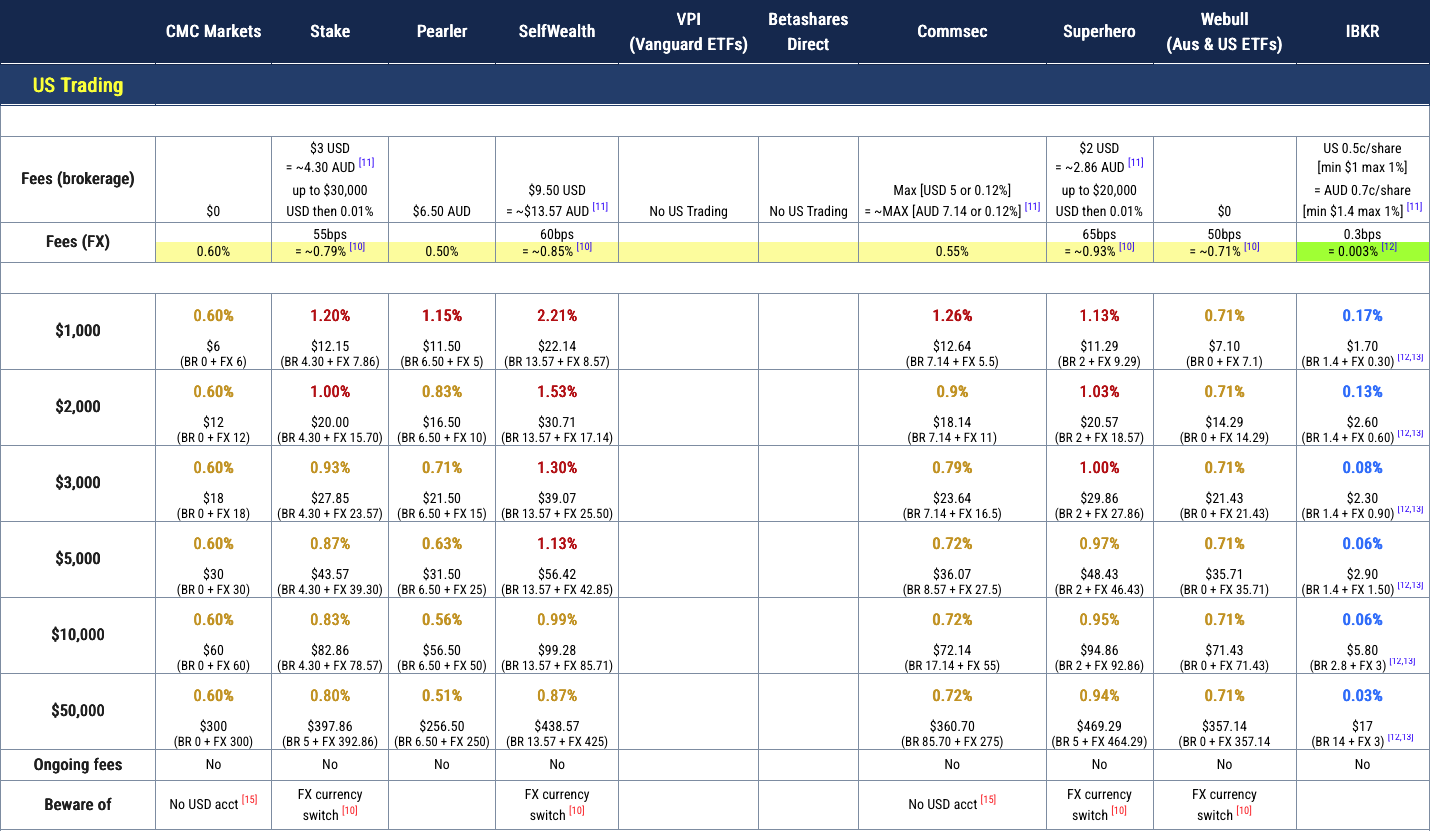
I realised that in order to meet my target target of 1% profit per trade I needed to better factor in cost. I was caught off guard that it’s not the underlying strategy or setup that succeeds or fails, overlooking friction was the deal breaker.
Retail Trading Tools Are Impressive, Yet Still Underwhelming
Retail traders have access to prosumer-level tools:
| Category | Tools available to Aussies |
|---|---|
| Charting, Technical analysis | TradingView, TC2000, TrendSpider |
| Screeners | Finviz, TradingView, IBKR |
| News | Benzinga Pro, Seeking Alpha, Briefing.com |
| Trading | IBKR, Stake, CMC Markets |
TradingView has over 150 million quarterly active users whereas IBKR has over 2.5 million quarterly active users (TradingView, IBKR). It’s surprising these deep data sets aren’t resulting in more automated insights for users. For instance, Finviz (free tier) is the only screener I have found that enables searching by chart patterns; and that is fairly limited at the moment.
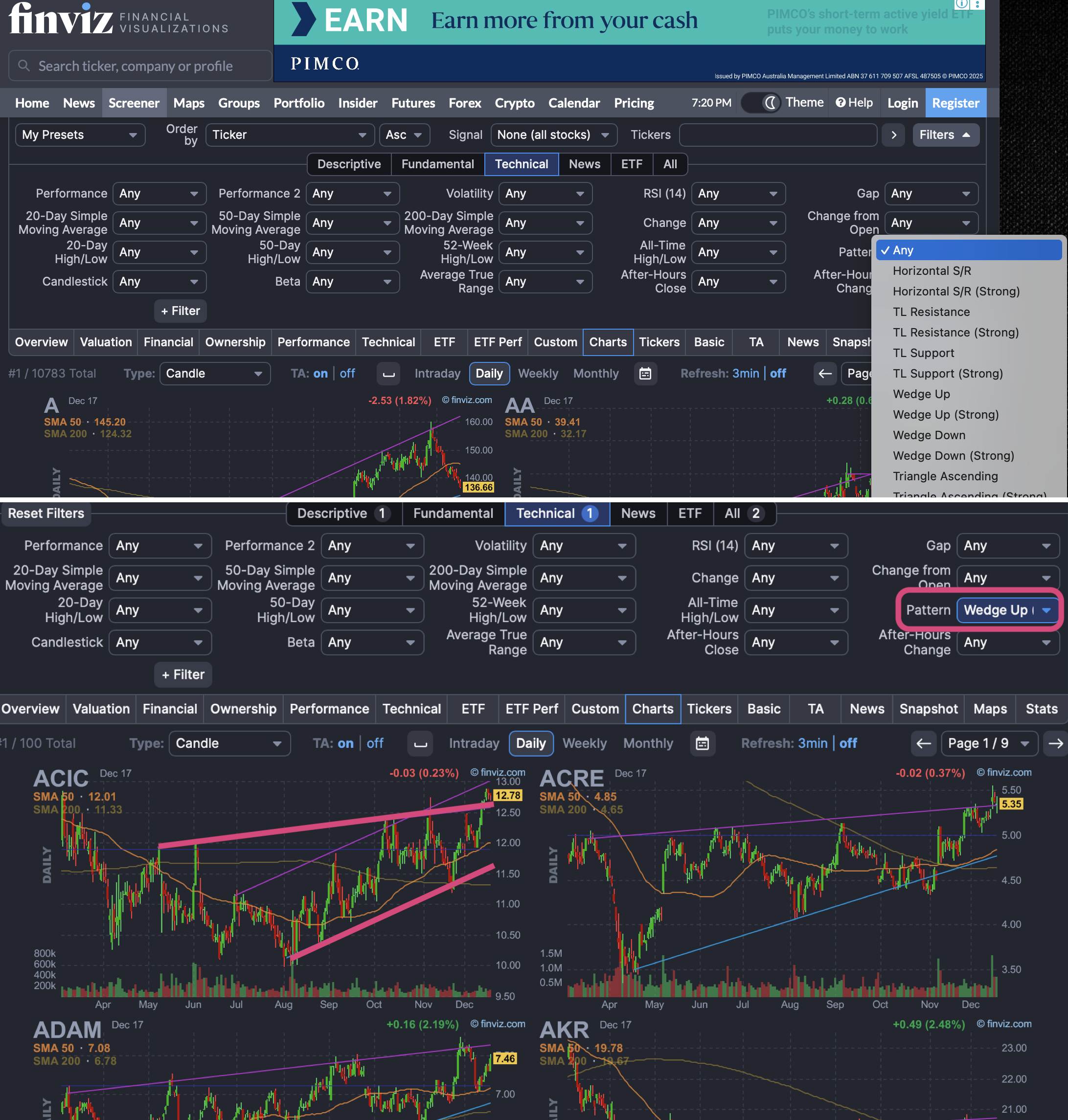
It would be good to understand why in the current environment of deep data pools and sophisticated AI models retail traders don’t have access to better indicators and signals.
Despite Regulation, It’s Infested with Shady Characters
Finally, the retail trading ecosystem is a strange mix. Despite ASIC and SEC oversight, there’s a thriving underworld of YouTube gurus, Reddit signal sellers, “proprietary trading firms” that don’t actually trade live capital, and services that freeze accounts or deny payouts. These bottom-feeders proliferate because regulation focuses on formal markets and brokers, not these peripheral actors.
While being aware of scammers and low-value ‘coaches’/’trainers’ it was still shocking to realise that Lindstrom* I DM’d with on Discord wasn’t the actual Lindstrom who set up the Discord server and was much-praised on Reddit. (*Not their real name/handle.)
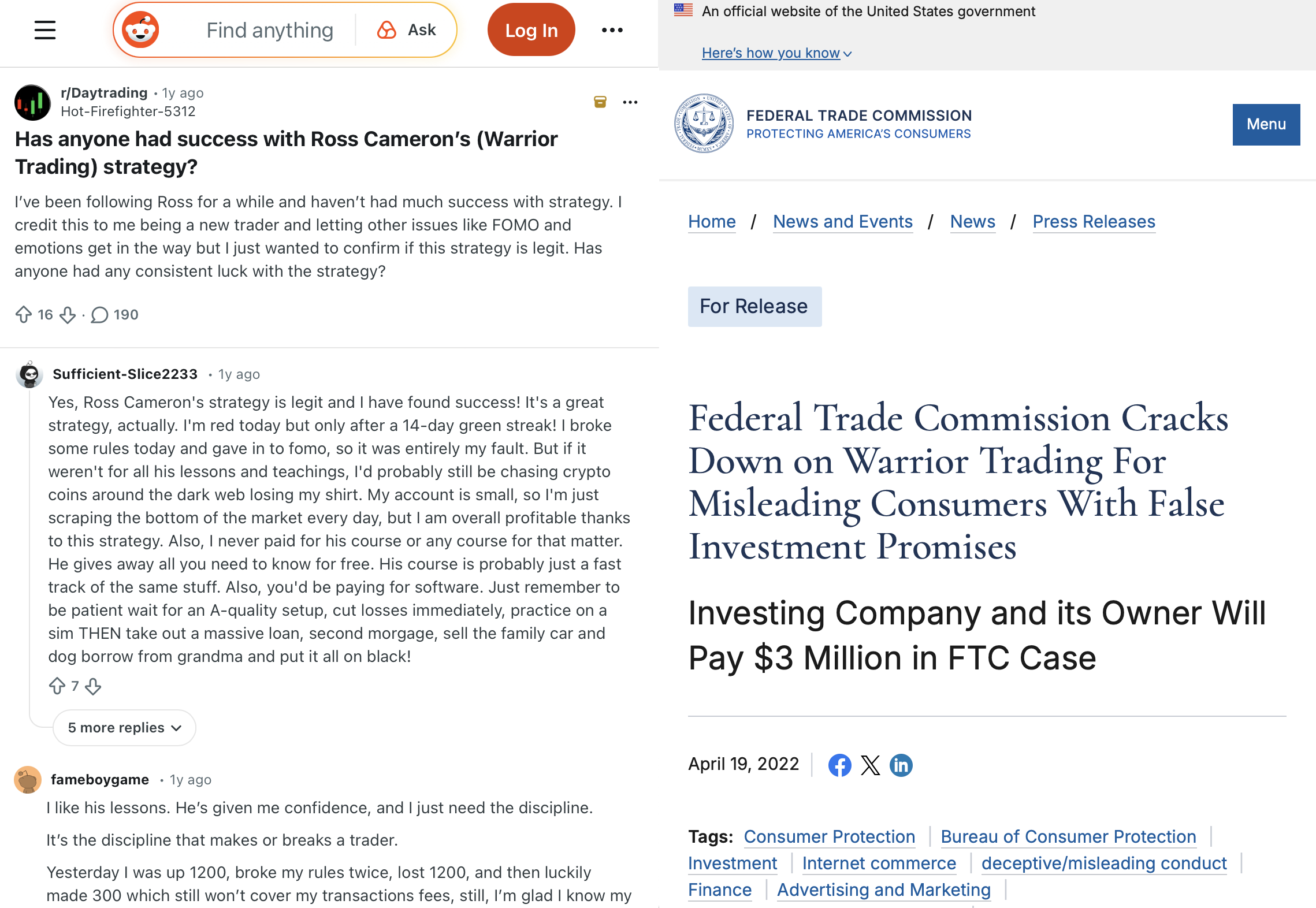
I can’t think of how regulators would even screen for these bad-faith ‘service providers’. Their prevalence is quite eye opening though; it’s not just some bad operators, but every learning environment - Youtube, Reddit, Xitter, etc - is absolutely infested with them.
This post was created with a little (a lot) of help from ChatGPT